
A Brief History Of Audi
Many of us know Audi for its all-wheel drive 'quattro' luxury vehicles and its iconic four-ring logo. But what is the origin story for one of the w...
A Brief History Of Audi
Many of us know Audi for its all-wheel drive “quattro” luxury vehicles and its iconic four-ring logo. But what is the origin story for one of the world’s most successful car brands? Like most things in life, the answer is complicated.
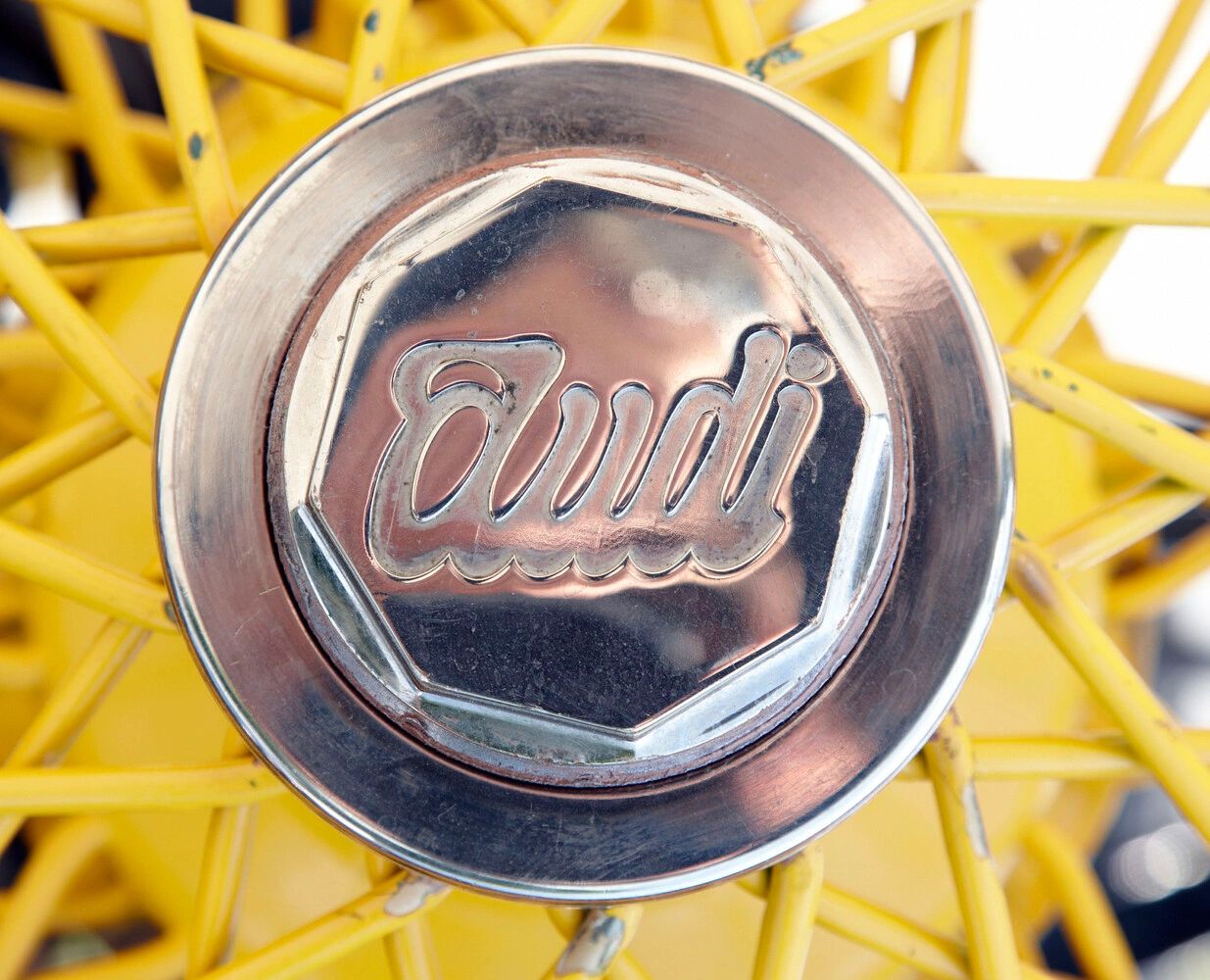
Audi was founded by August Horch on April 25, 1910, just two years after Henry Ford introduced the Model T. Horch was an engineer who had already led the motor vehicle production department at Karl Benz’s company, and then started his own automobile company in 1899. After a difference of opinion with the board in 1909, Horch left the A. Horch & Cie. company to found another car company. Unable to use his name in the new company name, Horch called his new project Audi, which means “listen” in Latin, a reference to the fact Horch means “listen” in German.
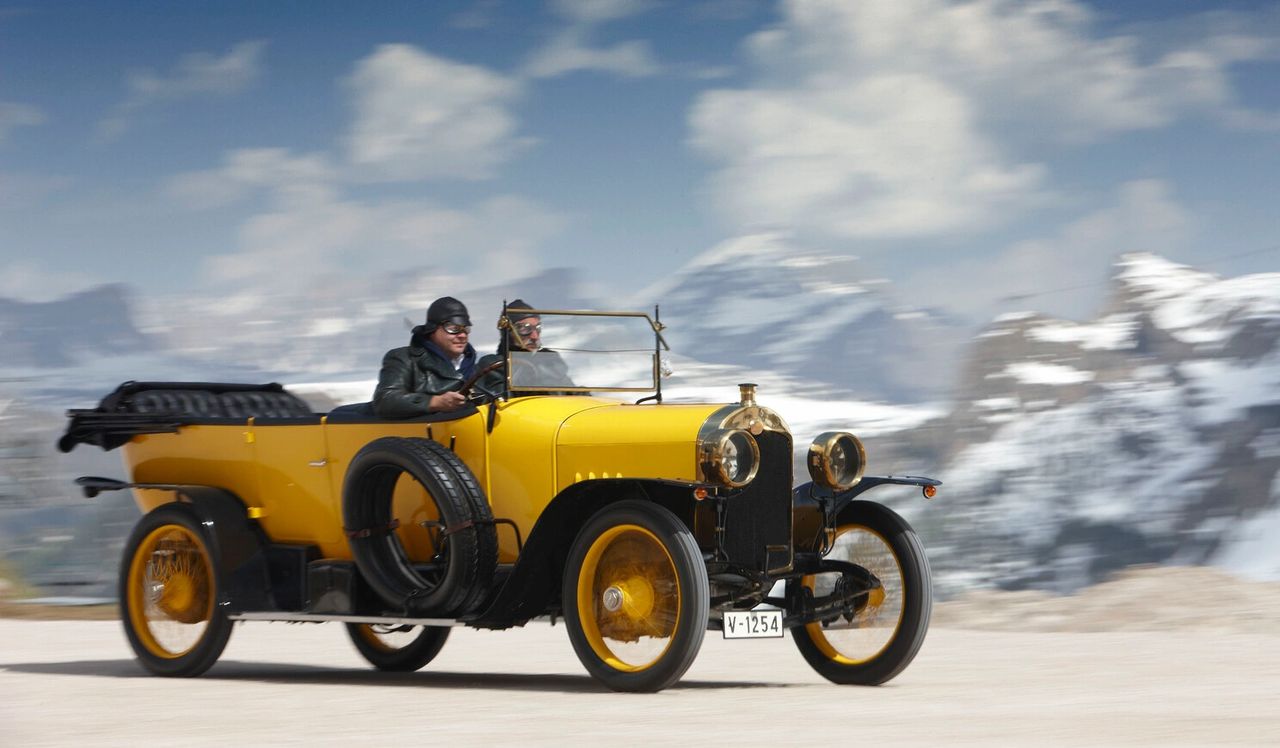
Audi Type C
Audi’s first production car was introduced in 1910. The Audi Type A was a 2.6 liter four cylinder engine that produced 26 horsepower and a top speed of 46 mph. By 1911, Horch introduced the Type C model, which he drove personally to win the Austrian Alpine Rally three years in a row. By 1921, Audi introduced left-hand drive in the Type K, which was safer because it allowed the driver to see oncoming traffic better when overtaking a vehicle driving on the right. The popularity of the Type K secured the dominance of left-hand drive in automobile history.
Horch left the company he founded in 1920, for a prestigious position in the Ministry of Transport. In 1924, Audi introduced the Audi Type M, which was a six-cylinder inline engine with 69 horsepower, and a top speed of 75 mph. The Type M was the first Audi to have four-wheel hydraulic brakes.
The retail price for the Type M was 22,300 Marks, which was a ridiculous sum of money, especially because of the hyperinflation occurring in Germany at that time. Audi had a difficult time finding buyers for the Type M, and the model nearly bankrupted the company.
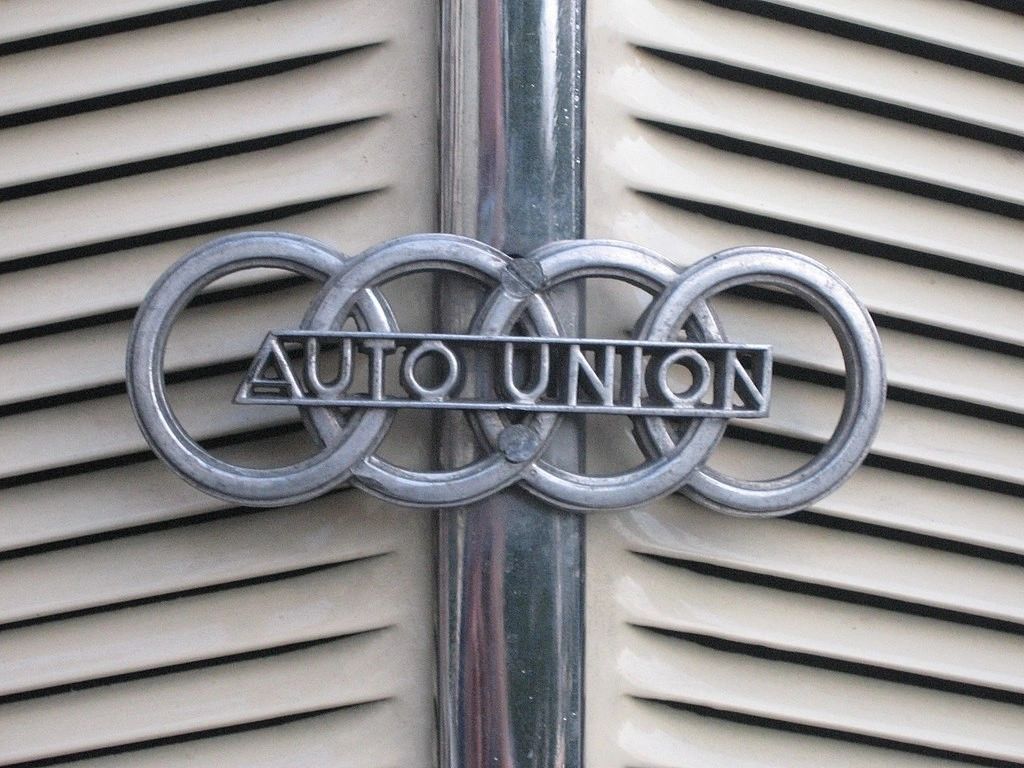
In 1932, short on cash and feeling the effects of the stock market collapse of 1929, Audi merged with four other German companies to create the Auto Union that included Audi, DKW, Horch and Wanderer. The union of these four companies would become the symbol of Audi’s iconic logo - four interlocking rings. During the 1930s, Audi focused on improving automobile technology, while the Auto Union focused on producing smaller and smaller cars that were affordable.
When World War Two began in September 1939, the Auto Union factories were retooled to produce tanks, aircraft engines, and transport vehicles. In recent years, historians have discovered that the Auto Union struck a deal with Nazi SS leaders to use over 38,000 slave laborers to work in their factories. Seven concentration camps were built around the factories to supply workers. Over 4,000 workers died in the factories during the course of the war. Audi has acknowledged the part it played in this dark period and has paid millions of dollars into a fund set up by the German government to compensate victims.
When the Soviet Union overran East Germany in 1945, they liquidated the Auto Union, and deleted its name from the commercial register. It wouldn’t be until 1949, when former executives of the Auto Union escaped East Germany and relocated to West Germany in Bavaria that the Auto Union would once again produce cars. In 1959, Daimler-Benz purchased the struggling Auto Union and helped them purchase a new factory.
In 1964, Volkswagen purchased 50% of the Auto Union and resurrected the brand name Audi, which hadn’t been used in 25 years. Under Volkswagen and in secret, Audi created the Audi 100, a 1.8 liter four-cylinder front-wheel drive vehicle, that would become the predecessor to the A6. Fortunately for Audi, Volkswagen liked the 100 and ordered the production of what would become the Audi 60, Audi 75, Audi 80, and Audi Super 90.
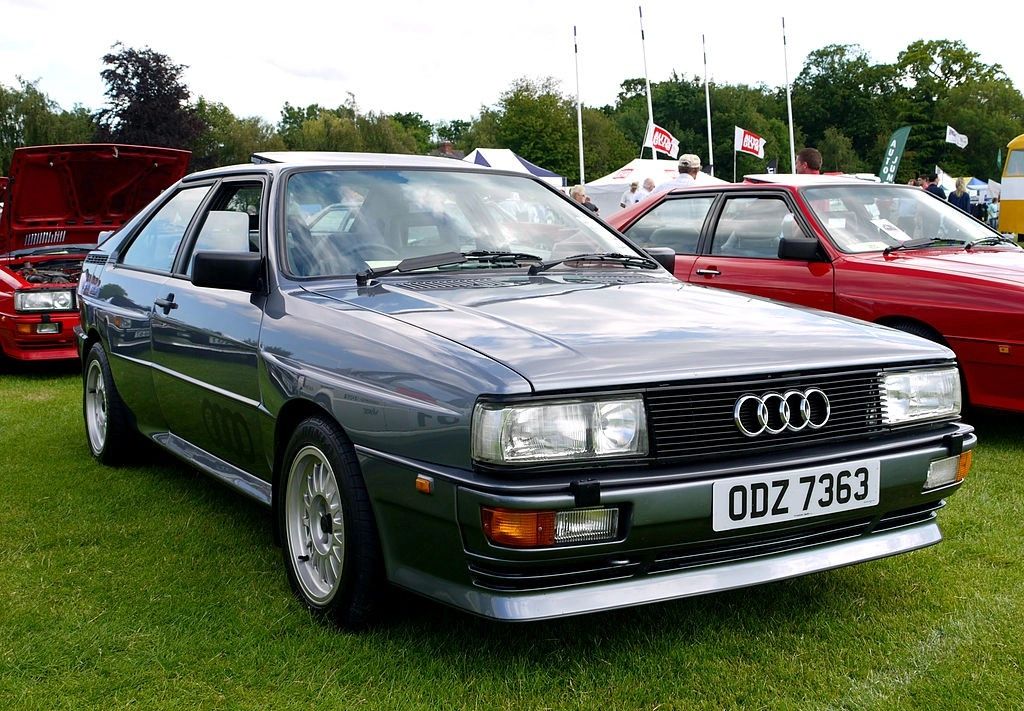
Audi Ur-Quattro
It wouldn’t be until 1980, when Audi introduced the Quattro, an all-wheel drive 2.1 liter inline five-cylinder turbocharged engine, that produced a whopping 197 horsepower and 210 foot-pounds of torque, that Audi’s reputation as a preeminent automotive technology brand would be established. The Quattro would go on to win 23 World Rally Championships between 1980 and 1985.
Since then, Audi has been at the forefront of automotive technology. They were the first brand to produce 100% galvanized car bodies to prevent rust. They were the first to use an all-aluminum space frame to reduce weight and improve car frame rigidity. Audi was also the first to use LEDs in their daytime running lights, and they are the first to produce a level-3 autonomous driving car in the Audi A8.
Like all great stories, Audi started out humbly, rose to prominence, experienced setbacks, and persevered. There is a reason Audi is considered one of the greatest car brands in the world, and there’s no reason why they shouldn’t continue to be Vorsprung durch Technik.
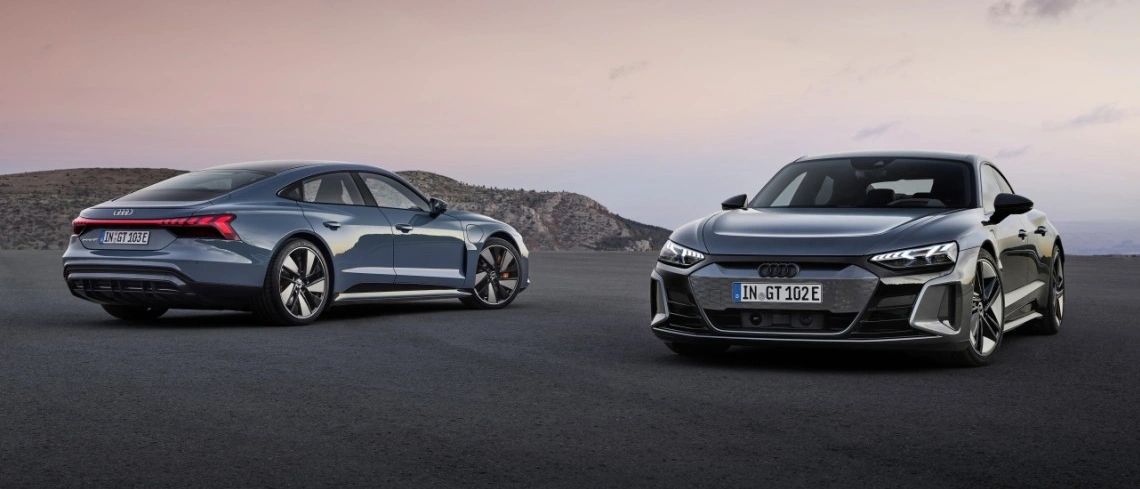
2020 Audi e-tron gt
- Alex TheHoward
#ModernChassis #luxurycars #autotech #Audi #AutoUnion #Horch #DKW #Wanderer #VW #Daimler #RallyCars #quattro #Ingoldstadt #Puppchen #Saxony
References:
https://www.audi.com/en/company/history/history-of-the-logo.html
https://www.haaretz.com/jewish/audi-shocked-by-wwii-forced-labor-report-1.5249807
https://garagedreams.net/history/heres-audi-quattro-rally-legend