
A Brief History Of Maserati
**Mas-er-ati.** The name rolls off the tongue like a long-lost lover, their memory warm and sensuous. The mind drifts into a reverie of perfect sum...
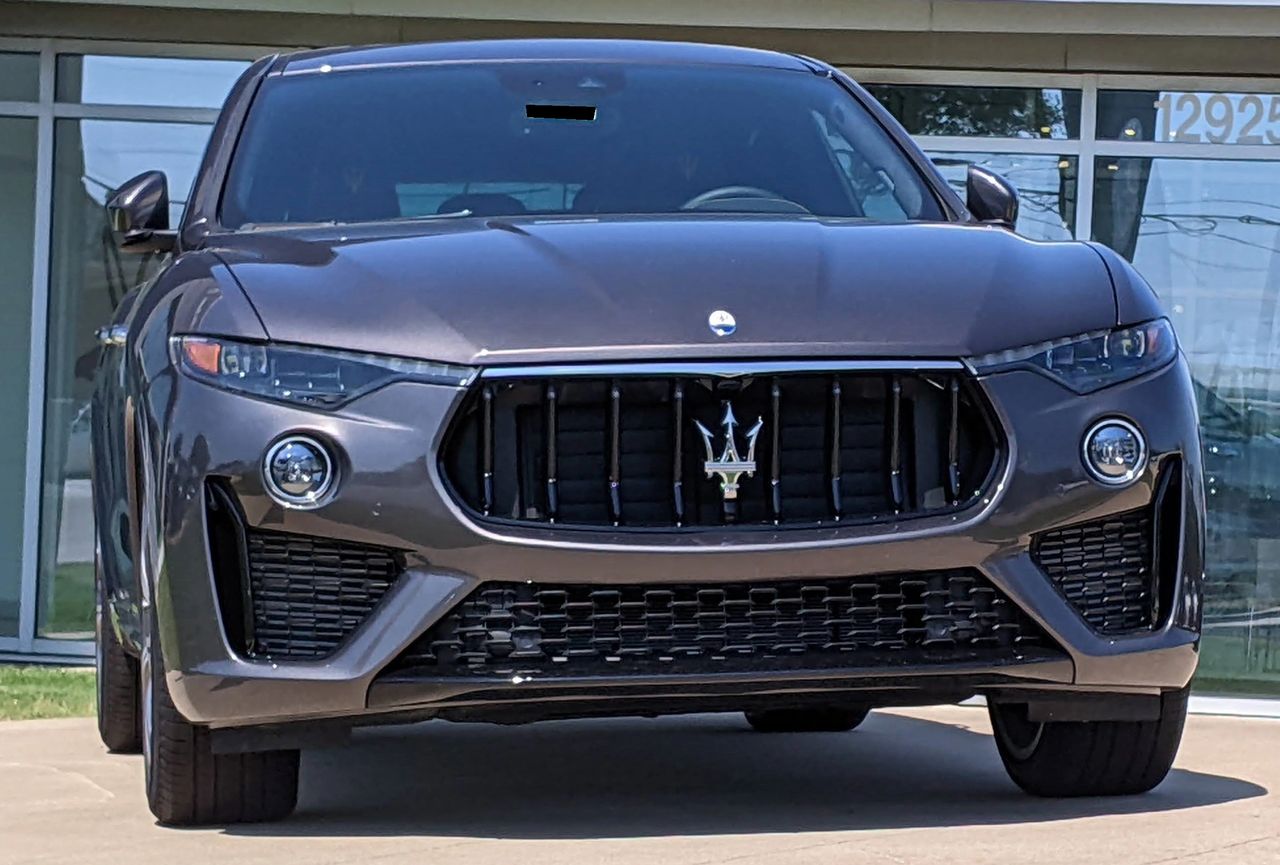
A Brief History Of Maserati
Mas-er-ati. The name rolls off the tongue like a long-lost lover, their memory warm and sensuous. The mind drifts into a reverie of perfect summer afternoons, picnics in the country, strolls along the beach. Seductive and enchanting, Maserati beckons like sirens to sailors or nymphs to the spying. Our modern world doesn’t know what to do with romance, concerned as it is on facts and figures. But Maserati romances us still, and like the ships launched for Helen of Troy, so we too find within ourselves the desire for the beauty and mystery the name conjures. But how did Maserati grow into the mighty temptress we know today?
By December 1914, World War I had been raging for five months. In September, the First Battle of the Marne had told the world what kind of war this was going to be – brutal, bloody, and dastardly. Amid the turmoil, three brothers named Alfieri, Ettore, and Ernesto Maserati opened up a car workshop in the heart of Milan, Italy. They sold spark plugs, and when Italy joined the war in 1915, they made devices for airplane engines.
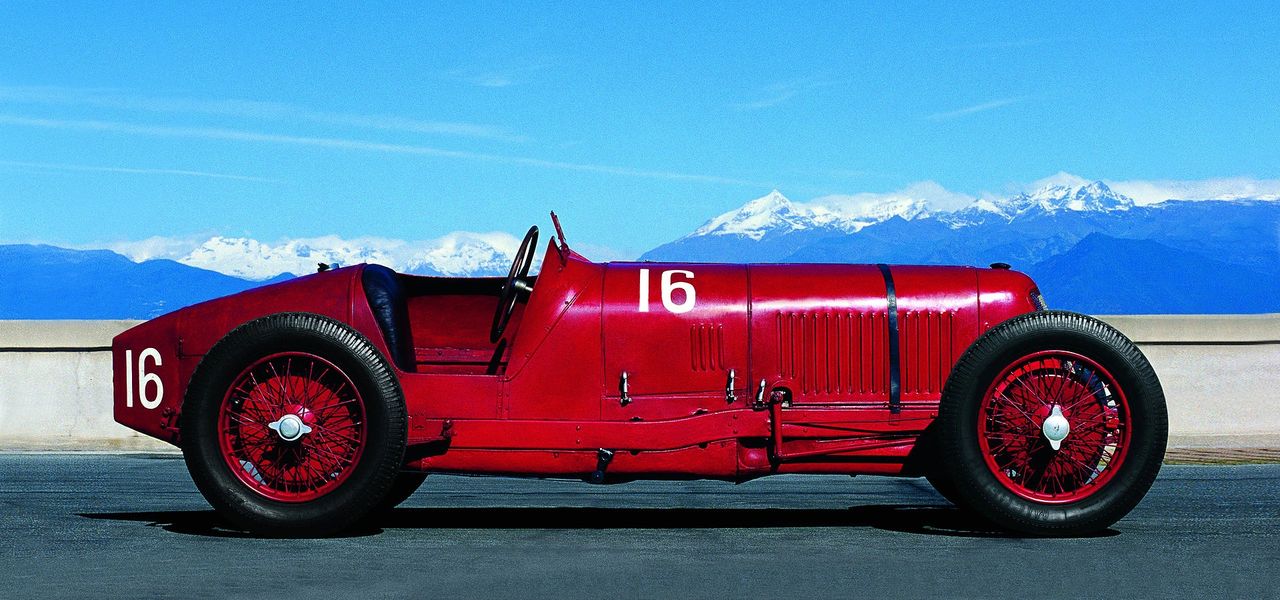
After the war, Alfieri built race cars for Diatto until 1926, when Diatto suddenly suspended their race car production line. As a result, the Maserati brothers made their first automobile under the Maserati marque called the Tipo 26. The Tipo 26 was a bathtub-shaped leviathan with a supercharged inline-eight engine and three-speed manual transmission. Alfieri corralled the beast to a first-place finish in the infamous 1926 Targa Florio.
In 1929, Maserati created the Tipo V4 specifically to break world records. The V4 was a 16-cylinder colossus that reached speeds over 150 mph and consumed fuel at a rate of 4 miles to the gallon. So thirsty was this beast, Maserati fitted it with a nearly 50-gallon fuel tank. Despite churning out 305 horsepower, the V4 had initial issues winning races. The engine’s extra weight caused increased tire wear and reduced braking power. As a result, it wouldn’t be until 1930 that the V4 would win the Tripoli Grand Prix.
After Alfieri died in 1932, Maserati won several races with the 8CM, a 240 horsepower eight-cylinder bucket. Despite its initial success, the 1934-1935 race season proved too much for the fitful 8CM. Mercedes and Alfa Romeo had created vastly superior cars, and by the following season, the 8CM had been retired.
In 1937, the Maserati brothers sold the company to Aldofo Orsi, a wealthy industrialist from Modena, Italy. Despite having sold the company, the Maserati brothers remained in engineering roles. In 1939 and 1940, Maserati became the first and only Italian manufacturer to win the Indianapolis 500. The driver, an American named Wilbur Shaw, drove a Maserati 8CTF. The 8CTF, nicknamed the “Boyle Special,” was a hot dog shaped racecar with a supercharged eight-cylinder engine and averaged 115 mph during the race. The Indianapolis 500 wins launched Maserati from relative obscurity into the stratosphere of world renown.
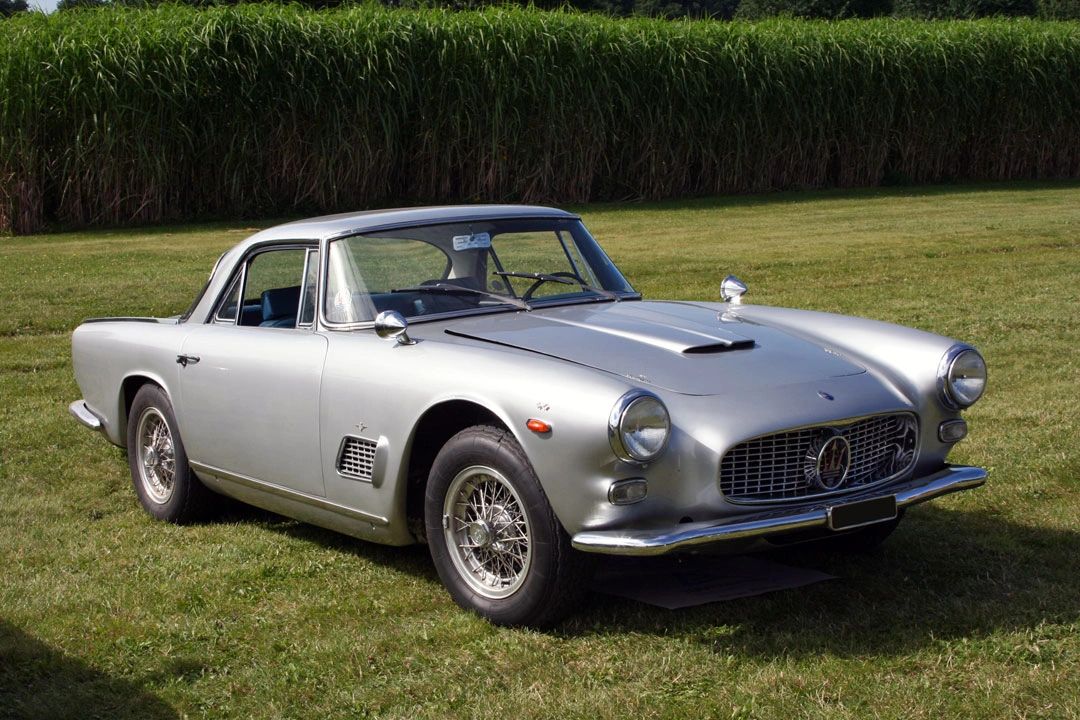
1961 Maserati 3500 GT
The 1940s saw Maserati expand its product line from race cars to Gran Turismo (GT) vehicles, which were more luxurious and appealed to those seeking to take long road trips. Its most popular GT was the Tipo 101, also known as the 3500 GT, released in 1957. The voluptuous curves of the 3500 belied a fuel-injected 12-valve straight-six engine with 232 horsepower fitted to a four-speed manual transmission whose exhaust sounded like the guttural resonance of a race car. The 3500 GT was damn sexy, more Grace Kelly than Marilyn Monroe. Later that year, Maserati won the Formula One Grand Prix world championship and cemented their racing legacy in the annals of history.
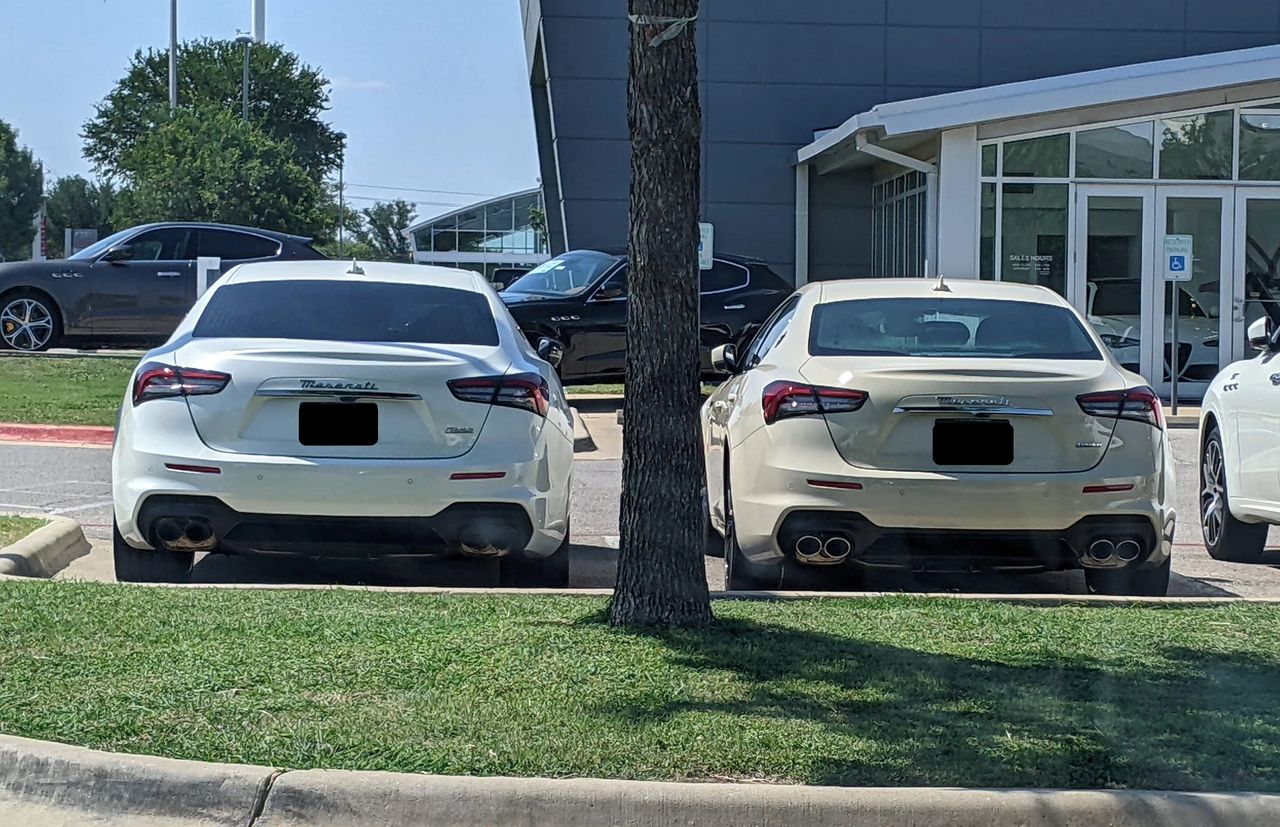
Since Maserati’s banner year of 1957, they’ve continued to innovate and produce notable models, such as the Tipo 60 “Birdcage” in 1959, the Quattroporte – Maserati’s first four-door vehicle – in 1963, and the Ghibli in 1967. They’ve been bought and sold half-a-dozen times since 1957, most notably under the management of Ferrari in 1997. Despite nearly going bust, Maserati has fought its way back. In January of this year, they announced they will be racing in the ABB FIA Formula E World Championship in 2023, the first Italian brand to do so.
Born out of turmoil and affliction, Maserati has made beauty from ashes. Its racing pedigree infuses the lustful design with grit. There’s a reason Maserati has lingered in our imaginations for as long as it has, like the seductive scent of a lover. Simply, we are enchanted by its beauty and its bite. And in the end, love makes fools of us all.
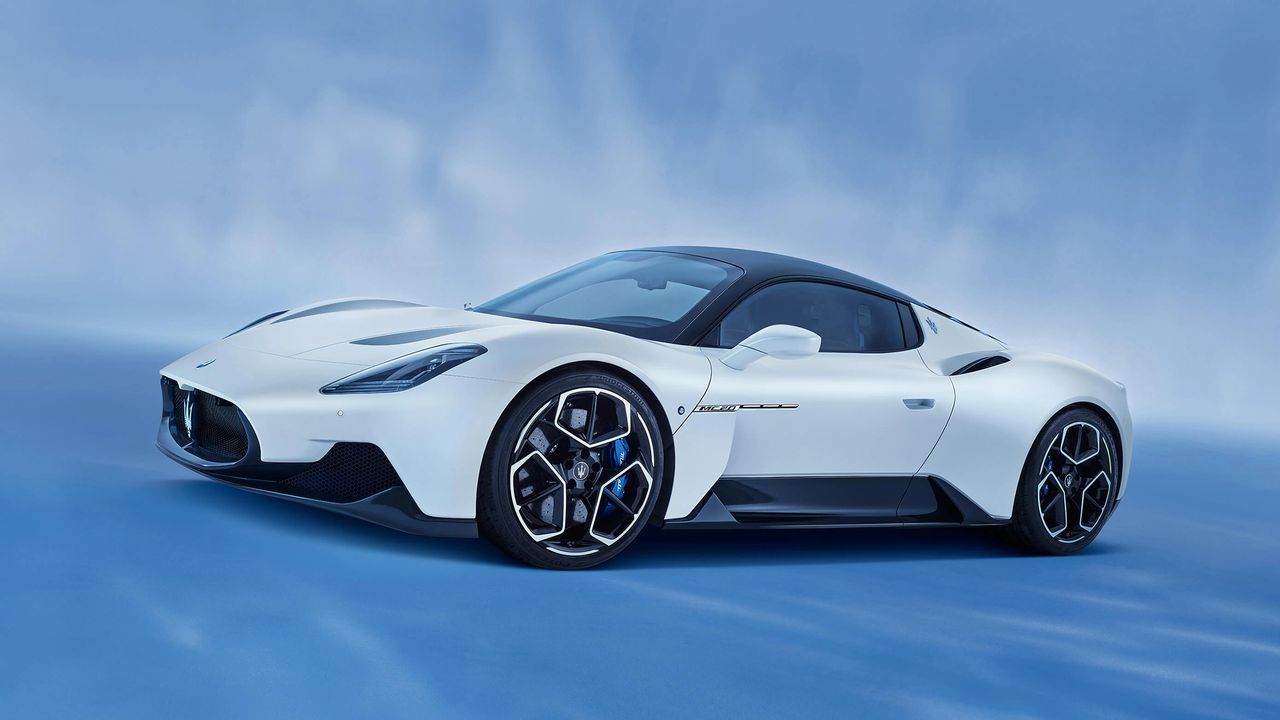
2023 Maserati MC20 - maserati.com
- Alex TheHoward, ModernChassis Team
#ModernChassis #Maserati #FormulaOne #FormulaE #Italy #Modena #Ferrari #Mercedes #AlfaRomeo
**Read the ModernChassis Dear John Maserati breakup letter here! **
References
https://www.maserati.com/global/en/brand/history
Maserati 1961 3500 GT - By Abehn. Public Domain, https://commons.wikimedia.org/w/index.php?curid=20546615
2023 Maserati MC20 photo - https://www.maserati.com/us/en/models/mc20
1928 or 1929 Maserati Tipo 26 #16 photo - Maserati Tipo 26 - Wikipedia