
Mercury
**The Rise and Fall of Mercury: The Road to Hell is Paved with Good Intentions**

Mercury
The Rise and Fall of Mercury: The Road to Hell is Paved with Good Intentions
Mercury logo 1939-1940
Mercury, a name that once resonated with automotive enthusiasts across America, was born out of Ford Motor Company’s ambition to fill a void between its economy Ford models and the luxury Lincolns. Established in 1938, Mercury offered a blend of style, performance, and affordability, targeting the burgeoning middle class. Over the next five decades, the brand became synonymous with innovation and elegance. By the early 90s, Mercury’s influence waned, plagued with reliability issues and declining sales. Despite its slow and painful death, Mercury’s legacy has left an indelible mark on the automotive industry.
The Birth of Mercury
In the late 1930s, Edsel Ford, son of Henry Ford, recognized a need for a mid-priced car that could bridge the gap between the affordable Ford and the high-end Lincoln. The result was the Mercury Eight, introduced in 1939. Priced just above the Ford Deluxe but below the Lincoln Zephyr, the Mercury Eight was a hit. It featured a more powerful engine (a 95-hp flathead V8) than the standard Ford models and a sleek, aerodynamic design that appealed to consumers looking for a car with both performance and style. It also boasted hydraulic brakes and a mind-boggling 20 mpg efficiency.
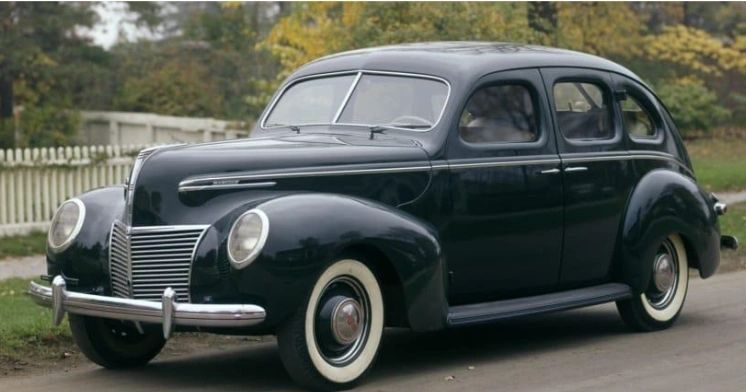
1939 Mercury Eight four-door sedan. Photo courtesy of the collections of The Henry Ford, Dearborn, Michigan.
The success of the Mercury Eight helped the brand establish itself in the market, and by the 1940s, Mercury was well-positioned as a critical player in the mid-priced segment. Like many other automakers, during World War II, Mercury halted production to contribute to the war effort, producing military vehicles and equipment.
Post-War Boom and Expansion
The post-war era was prosperous for the American automobile industry, and Mercury was no exception. The 1949 Mercury, with its distinctive “pontoon” fenders and integrated body design, became an icon of post-war automotive design. It was also famously customized by hot rodders and immortalized in the 1955 film Rebel Without a Cause, driven by James Dean. Dean’s iconic game of chicken solidified Mercury’s image as a brand that combined innovation with youthful appeal.
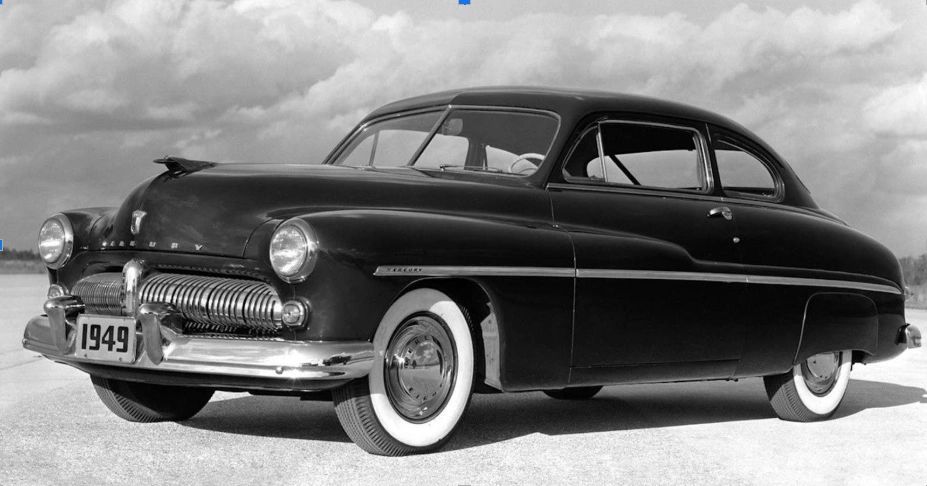
James Dean immortalized the legendary 1949 Mercury with a 110-hp flathead V8 in Rebel Without a Cause. Photo courtesy of HotCars.com
Throughout the 1950s and 1960s, Mercury continued to innovate, introducing models like the Montclair, the Monterey, and the Cougar. The latter became one of the most celebrated muscle cars of the 1960s. Introduced in 1967, the Cougar was Mercury’s answer to the Ford Mustang and appealed to a more upscale, mature audience. The Cougar featured more amenities than the Mustang and was tuned for better road manners than the Thunderbird. Arguably, the Cougar is the most recognizable Mercury of all time.
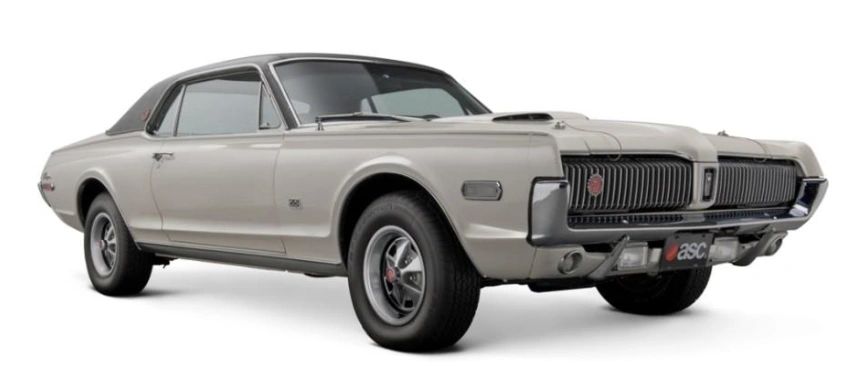
A 1968 Mercury Cougar with a V8 engine, 390 cubic inches of displacement, and 335 horsepower. Oooh Baby! Photo courtesy of the collections of The Henry Ford, Dearborn, Michigan.
Challenges and Decline
As the automotive landscape evolved in the 1970s and 1980s, Mercury faced increasing competition from foreign automakers and a shift in consumer preferences towards smaller, more fuel-efficient engines. Despite efforts to modernize its lineup with models like the Capri and the Topaz, Mercury needed help to maintain its market position.
By the 1990s, Mercury’s identity began to blur as many of its models became rebadged versions of Ford vehicles. The brand’s uniqueness and appeal began to wane, and sales steadily declined. The Sable, a popular model during the 1980s and early 1990s, could not sustain the brand’s momentum as SUVs and trucks dominated the market.
The End of the Road
In the early 2000s, Mercury’s relevance diminished as Ford focused on its core brands. In 2010, after years of declining sales and a shrinking market share, Ford announced discontinuing the Mercury brand. The final Mercury vehicle, a 2011 Grand Marquis, rolled off the assembly line in January 2011, marking the end of an era.
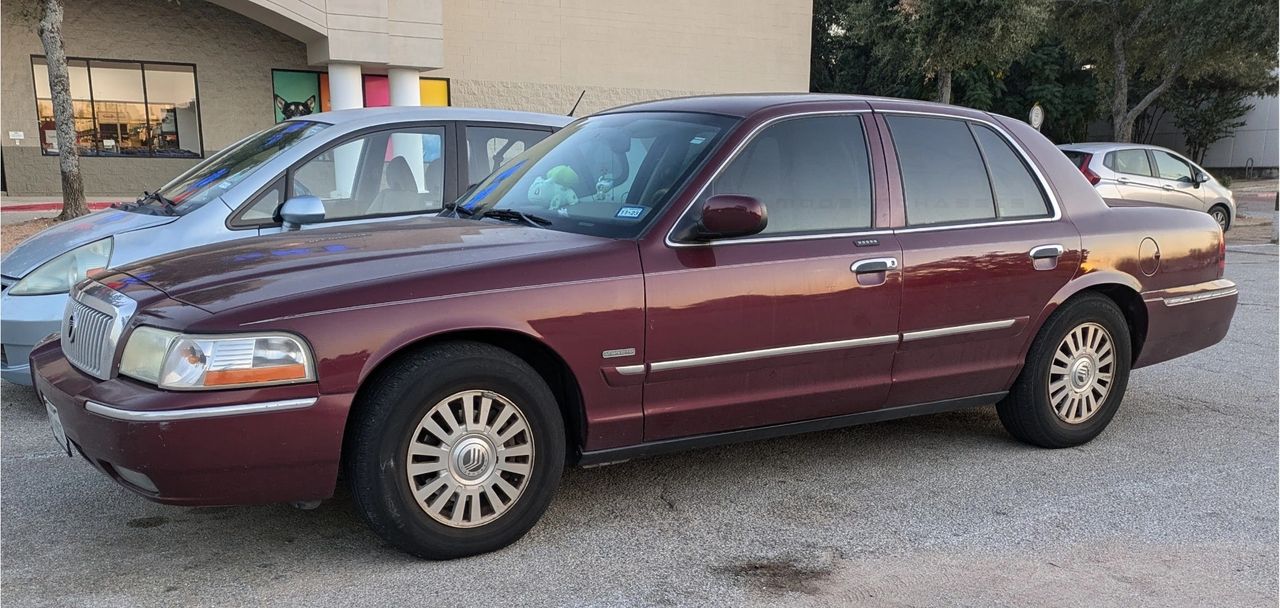
2011 Mercury Grand Marquis
Legacy of Mercury

The final Mercury logo
While Mercury is no longer a part of the automotive landscape, its legacy lives on. The brand’s history is a testament to the dynamic nature of the automotive industry and the challenges of maintaining a distinct identity in a crowded marketplace. Mercury’s rise and fall reflect the broader trends in American automotive history, from the post-war boom to the challenges of globalization and shifting consumer preferences. Today, Mercury remains a symbol of innovation and style, a reminder of when the brand’s sleek designs and powerful engines captured the imagination of car enthusiasts across America. It is also a stark lesson on what happens when automotive passion and imagination surrender to apathy, neglect, and the race to the bottom line.
Alex TheHoward - Team ModernChassis
#ModernChassis #MercuryCars #FordMotors #Ford #Lincoln
hotcars.com
corporate.ford.com
ford.com